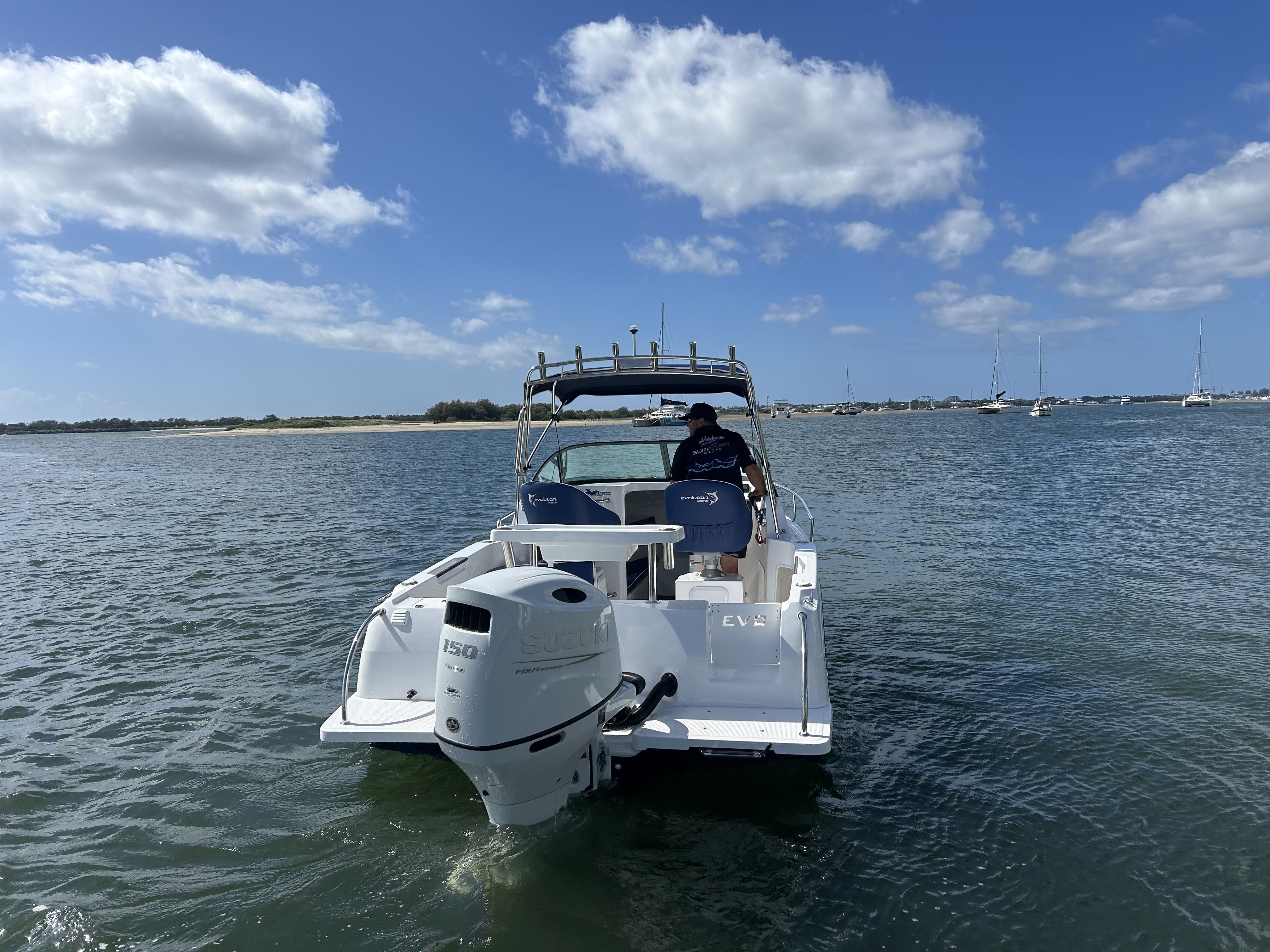
For many people on the Gold Coast, buying a fishing boat represents more than a purchase — it’s the beginning of a lifestyle built around time on the water.
From inshore estuary fishing to running offshore for pelagic species, the Queensland coastline offers some of Australia’s most diverse boating opportunities. But choosing the right boat requires careful consideration. Different fishing environments demand different hull designs, layouts and equipment.
This guide explores how to choose the right inshore or offshore fishing boat on the Gold Coast, including practical considerations that experienced anglers and marine professionals recommend evaluating before making a purchase.
Understanding Inshore vs Offshore Fishing Boats
Before selecting a boat, it is important to understand how inshore and offshore fishing environments differ.
Inshore Fishing Boats
Inshore fishing typically occurs in:
- rivers
-
estuaries
-
canals
-
bays
- protected coastal waters
These environments often prioritise:
- shallow draft
-
manoeuvrability
-
lighter hull designs
- ease of launching and towing
Many anglers targeting species such as flathead, bream, whiting and mangrove jack prefer smaller aluminium fishing boats that are easy to handle and efficient to operate.
Offshore Fishing Boats
Offshore fishing boats are designed for open-water conditions where sea states can change quickly.
These boats typically prioritise:
Offshore anglers on the Gold Coast regularly target species such as tuna, mahi mahi, mackerel and snapper on reefs and offshore structures.
Because offshore conditions can be unpredictable, choosing a boat designed for offshore performance is particularly important.
The Australian Maritime Safety Authority highlights the importance of choosing vessels suited to their operating environment, particularly when boating offshore where conditions may change rapidly.
Key Factors to Consider When Buying a Fishing Boat
Whether purchasing a boat for inshore or offshore use, experienced boat buyers typically evaluate several key factors.
1. Hull Design and Ride Quality
Hull design plays a significant role in how a boat handles different water conditions.
Common hull characteristics include:
Deep-V Hulls
Often used for offshore boats, deep-V hulls can improve ride comfort in waves by cutting through swell more effectively.
Aluminium Hulls
Lightweight aluminium boats are popular in Australia due to durability, corrosion resistance and ease of towing.
Stability
Stability is important when drifting or fighting fish, particularly with multiple anglers onboard.
Many experienced boat buyers recommend evaluating hull performance during a sea trial, as ride comfort and handling are difficult to assess from specifications alone.
2. Boat Size and Capacity
Choosing the correct boat size depends on how the vessel will be used.
Considerations include:
For many anglers, boats between 4.5m and 6.5m offer a balance between usability, towing practicality and offshore capability.
Larger boats may offer more comfort offshore but require more storage space and larger tow vehicles.
3. Fishing Layout and Deck Space
Serious anglers often prioritise functional fishing layouts rather than purely recreational seating.
Important features may include:
- open rear fishing deck
-
rod holders
-
live bait tanks
-
under-floor storage
-
casting platforms
- easy access around the boat
For offshore fishing, deck space becomes particularly important when targeting larger species.
4. Engine Power and Reliability
Most modern fishing boats use outboard engines due to their reliability and service accessibility.
When choosing an engine setup, buyers should consider:
- horsepower recommendations for the hull
-
fuel efficiency
-
servicing availability
- brand reputation
Reliable engines are particularly important for offshore boating, where returning safely to shore depends on consistent engine performance.
The Boating Industry Association notes that proper engine maintenance and suitable power selection are essential for safe and efficient boating operations.
5. Storage and Fishing Equipment
Fishing boats should be designed to accommodate equipment safely and efficiently.
Common storage features include:
- tackle storage compartments
-
insulated fish boxes
-
rod storage
- anchor storage
Organised storage improves safety by keeping decks clear and ensuring equipment is easily accessible when needed.
6. Dealer Support and Servicing
Choosing a reputable marine dealership is an important part of boat ownership.
A good dealership can provide:
Dealerships that offer multiple boat brands can also help buyers compare models and find a vessel suited to their fishing style.
Why Many Buyers Compare Boats Before Purchasing
Buying a fishing boat is a significant investment, and many buyers spend weeks or months researching their options.
Boat shows such as the Sanctuary Cove International Boat Show often increase buyer interest as anglers explore different boat types and layouts before committing to a purchase.
Visiting marine dealerships allows buyers to inspect boats in person and evaluate how different models compare.
Inspecting Boats on the Gold Coast
For anglers researching fishing boats on the Gold Coast, visiting dealerships can provide valuable insight into the differences between boat designs.
Dealerships like Surf Coast Marine offer a range of fishing boats including:
- inshore aluminium fishing boats
-
offshore fishing boats
-
used boats
- engine and servicing support
Inspecting boats in person allows buyers to evaluate layout, storage and build quality before booking a sea trial.
Final Thoughts
Choosing the right fishing boat requires balancing performance, practicality and budget.
For Gold Coast anglers, the decision often comes down to how the boat will be used most frequently — whether exploring sheltered estuaries or running offshore in search of larger species.
By considering hull design, boat size, engine setup, fishing layout and dealership support, buyers can make a more informed decision when selecting their next fishing boat.
For many anglers, the most valuable step in the buying process remains simple: inspect the boat, ask questions and experience it on the water.